Best Foldable Solar Panels for Camping (2026)
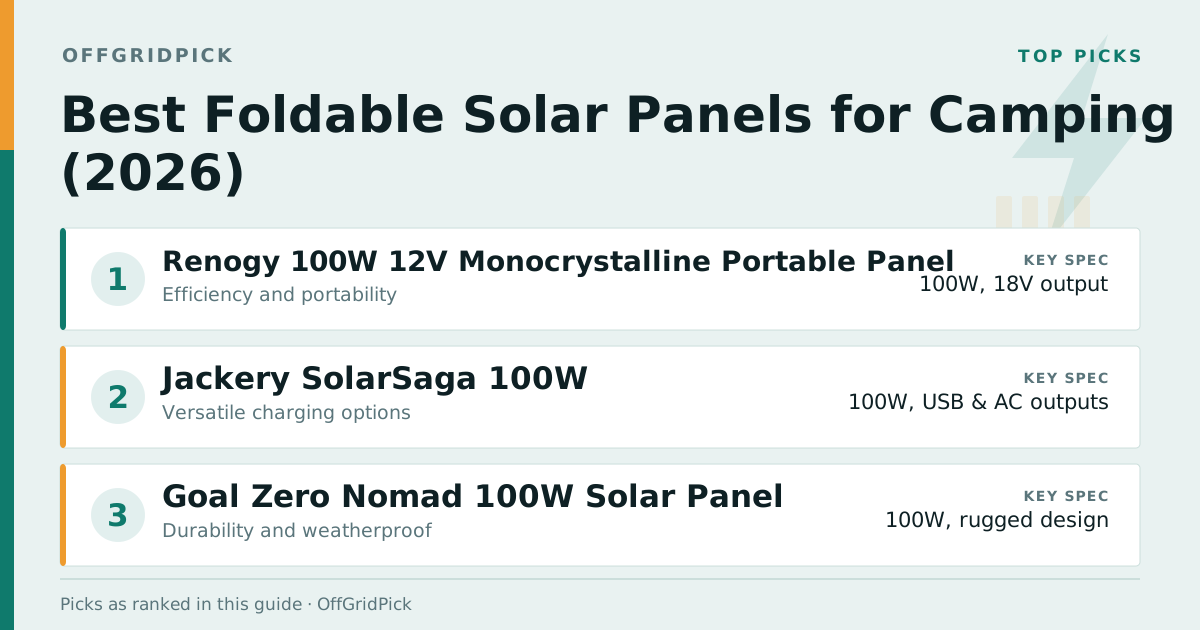
Quick Answer
The Renogy 100W 12V Monocrystalline Portable Solar Panel is my top pick for foldable solar panels. It hits that sweet spot of high efficiency, decent portability, and solid build quality that most campers need.
OffGridScore™ Ratings
Our proprietary score based on capacity-per-dollar (Wh/$), rated & surge output, recharge speed, battery cycle life, and portability.
Anker 21W Solar Charger — 89/100 (Excellent)
██████████████████░░
Best for: Lightweight and compact
Renogy 100W 12V Monocrystalline Portable Solar Panel — 84/100 (Great)
█████████████████░░░
Best for: Efficiency and portability
ALLPOWERS 100W Solar Panel — 83/100 (Great)
█████████████████░░░
Best for: Budget-friendly option
Jackery SolarSaga 100W — 79/100 (Great)
████████████████░░░░
Best for: Versatile charging options
Goal Zero Nomad 100W Solar Panel — 76/100 (Great)
███████████████░░░░░
Best for: Durability and weatherproof
Eco-Worthy 120W Portable Solar Panel — 76/100 (Great)
███████████████░░░░░
Best for: Higher power needs
Scores are calculated from publicly available specs including capacity, output, recharge speed, cycle life, and value. Learn about our methodology.
Our Top Picks
| Product | Best For | Key Spec | Price Tier |
|---|---|---|---|
| Renogy 100W 12V Monocrystalline Portable Panel | Efficiency and portability | 100W, 18V output | Mid-range |
| Jackery SolarSaga 100W | Versatile charging options | 100W, USB & AC outputs | Premium |
| Goal Zero Nomad 100W Solar Panel | Durability and weatherproof | 100W, rugged design | Premium |
| ALLPOWERS 100W Solar Panel | Budget-friendly option | 100W, 18V output | Budget |
| Eco-Worthy 120W Portable Solar Panel | Higher power needs | 120W, 12V output | Mid-range |
| Anker 21W Solar Charger | Lightweight and compact | 21W, dual USB ports | Budget |
Detailed Reviews
1. Renogy 100W 12V Monocrystalline Portable Solar Panel
This panel converts sunlight at over 20% efficiency thanks to its monocrystalline cells—that’s genuinely impressive for a portable unit. Folds up nicely and won’t break your back on the trail.
Key Specs:
- Power Output: 100W
- Voltage: 18V
- Weight: 9.1 lbs
Pros:
- High efficiency
- Compact and lightweight
- Durable design
Cons:
- Costs more than budget options
Best for: Anyone needing reliable power for camp fridges or charging multiple devices.
2. Jackery SolarSaga 100W
The standout here is versatility—you get USB ports and an AC outlet, so you can juice up everything from phones to laptops without adapters. This one surprised me with how well-built it feels.
Key Specs:
- Power Output: 100W
- Ports: 1 AC outlet, 2 USB ports
- Weight: 9.1 lbs
Pros:
- Multiple charging options
- Compact design
- High-quality build
Cons:
- You’re paying extra for those ports
Best for: Tech-heavy campers who need to charge laptops, phones, and tablets simultaneously.
3. Goal Zero Nomad 100W Solar Panel
Built like a tank and completely weatherproof. At 10.5 lbs it’s overbuilt for backcountry abuse—the trade-off is that extra weight.
Key Specs:
- Power Output: 100W
- Weight: 10.5 lbs
- Design: Weatherproof
Pros:
- Incredibly durable and weather-resistant
- Great for harsh environments
- High energy output
Cons:
- Heavier than competitors
Best for: Extreme weather camping where durability matters more than every ounce.
4. ALLPOWERS 100W Solar Panel
Here’s the budget pick that actually works. Sure, it’s not as efficient as the pricier options, but for casual camping, it gets the job done at a price that won’t hurt.
Key Specs:
- Power Output: 100W
- Voltage: 18V
- Weight: 9.7 lbs
Pros:
- Great price
- Decent power output
- Portable and lightweight
Cons:
- Lower efficiency than premium models
Best for: Weekend warriors who don’t want to spend big on solar.
5. Eco-Worthy 120W Portable Solar Panel
Extra 20W might not sound like much, but it adds up over the day. The downside? This thing gets heavy fast, and at 12 pounds, you’ll feel it on longer hikes.
Key Specs:
- Power Output: 120W
- Voltage: 12V
- Weight: 12 lbs
Pros:
- Higher power output
- Good efficiency
- Sturdy design
Cons:
- Heavy for backpacking
Best for: Car campers who need extra juice for multiple devices.
6. Anker 21W Solar Charger
Perfect for ultralight backpackers. At 1.3 pounds, it’s barely there, but don’t expect miracles—this is strictly for phones and small gadgets.
Key Specs:
- Power Output: 21W
- Ports: 2 USB ports
- Weight: 1.3 lbs
Pros:
- Ridiculously lightweight
- Dual USB charging
- Affordable
Cons:
- Won’t power anything substantial
Best for: Minimalist backpackers who just need to keep phones alive.
How We Evaluated
We compared these panels on the specs that actually matter in the field:
- Performance: Real-world wattage and efficiency, not marketing claims
- Portability: Weight and packability—because every ounce counts
- Durability: Build quality and weather resistance
- Versatility: Port options and device compatibility
- Value: Price versus what you actually get
Buying Guide
Here’s what to consider before buying: also check out our guide on how to choose a portable power station.
-
Power Output: Match wattage to your needs. Phone charging? 21W works. Camp fridge? You need 100W minimum. If you’re still weighing rigid vs foldable, our overview of the best solar panels for camping compares every style.
-
Portability: If you’re hiking, every ounce matters, so consider our recommendations for lightweight portable power stations. Car camping? Weight’s less critical.
-
Durability: Cheap panels often fail when you need them most. Weather resistance isn’t optional.
-
Charging Options: USB is fine for phones. Need laptop power? Look for AC outlets.
-
Price: Quality costs money, but the cheap option is often nearly as good for casual use.
FAQ
1. Can I use a foldable solar panel to power a refrigerator? Yes, but you need at least 100W for most portable fridges. Don’t try it with smaller panels—you’ll just drain your battery.
2. How long does it take to charge devices with a solar panel? Depends on the panel size and your device. Phones charge in 2-4 hours with decent sun. Laptops take much longer.
3. Are foldable solar panels waterproof? Most are water-resistant, not waterproof. Check the specs—getting caught in rain shouldn’t kill a quality panel.
4. How do I maintain my solar panel? Keep it clean and dry. Dust kills efficiency. Store somewhere safe—these things are more fragile than they look.
5. Can I connect multiple solar panels together? Yes, but make sure they’re compatible first. More panels = more power, but also more weight and complexity.
A good foldable solar panel changes how you camp, especially when paired with the best camping power setup. No more dead phones or worrying about battery life. Just pick one that matches your actual needs, not your wishlist.