Portable Power Station For Off Grid Living
Quick Answer
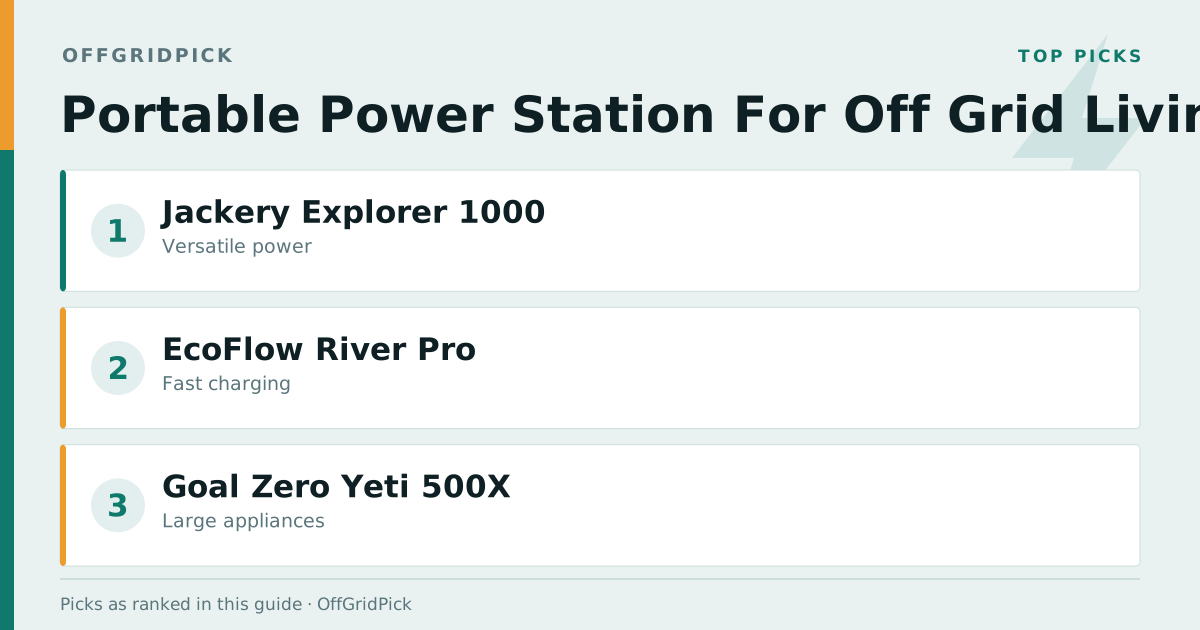
The Jackery Explorer 1000 takes the crown for off-grid living. It hits that sweet spot of high capacity, multiple outputs, and dependable performance that actually works when you’re miles from the nearest outlet.
Our Top Picks
| Product | Best For | Capacity (Wh) | Output Ports | Price Tier |
|---|---|---|---|---|
| Jackery Explorer 1000 | Versatile power | 1002 | 3 AC, 2 USB-A, 1 USB-C | Premium |
| EcoFlow River Pro | Fast charging | 768 | 3 AC, 2 USB-A, 2 USB-C | Budget |
| Goal Zero Yeti 500X | Large appliances | 505 | 2 AC, 4 USB-A | Mid-range |
| Bluetti AC200P | Home backup | 2000 | 6 AC, 4 USB-A, 1 DC | Premium |
| Anker PowerHouse 200 | Lightweight travel | 213 | 1 AC, 2 USB-A, 1 USB-C | Budget |
Detailed Reviews
1. Jackery Explorer 1000
Overview:
This one’s become my go-to recommendation for good reason. The Explorer 1000 delivers serious power without the complexity that plagues some competitors. Perfect for everything from weekend camping to emergency backup.
Key Specs:
- Capacity: 1002Wh
- Output: 3 AC outlets, 2 USB-A ports, 1 USB-C port
- Weight: 22 lbs
- Price Tier: Premium
Pros:
- Enough juice for multiple days off-grid
- Clean display that actually makes sense
- Handles everything from phones to mini-fridges
Cons:
- Gets heavy after lugging it around all day
- You’ll pay a premium, but it’s worth it
Best for: Anyone serious about reliable off-grid power who doesn’t mind spending a bit more.
2. EcoFlow River Pro
Overview:
The speed demon of power stations. I was genuinely surprised how fast this thing charges – under 1.5 hours beats everything else by miles.
Key Specs:
- Capacity: 768Wh
- Output: 3 AC outlets, 2 USB-A, 2 USB-C
- Weight: 15.9 lbs
- Price Tier: Budget
Pros:
- Charges ridiculously fast
- Lighter than the Jackery
- App control is actually useful (rare for these things)
Cons:
- Less total capacity means more frequent charging
- Only 3 AC outlets feels limiting
Best for: Impatient types who need quick turnaround between trips.
3. Goal Zero Yeti 500X
Overview:
Goal Zero built their reputation on rugged reliability, and the 500X continues that tradition. Though honestly, for the price, you’re not getting amazing value.
Key Specs:
- Capacity: 505Wh
- Output: 2 AC outlets, 4 USB-A ports
- Weight: 12.9 lbs
- Price Tier: Mid-range
Pros:
- Solid as a rock
- Plenty of USB ports
- Lighter than you’d expect
Cons:
- Capacity feels low for the price
- Painfully slow to recharge
- Only 2 AC outlets is stingy
Best for: Brand loyalists who prioritize build quality over value.
4. Bluetti AC200P
Overview:
The monster of the group. This thing could probably power your entire cabin for days, assuming you can actually lift it.
Key Specs:
- Capacity: 2000Wh
- Output: 6 AC outlets, 4 USB-A, 1 DC
- Weight: 57 lbs
- Price Tier: Premium
Pros:
- Massive capacity for extended off-grid living
- Port variety is excellent
- Battery life that just keeps going
Cons:
- 57 pounds means it’s staying put once you set it down
- Price tag will make you wince
Best for: Serious off-gridders with deep pockets who rarely move their setup. If your off-grid base has wheels, our van life power guide tackles the mobile version of the same problem.
5. Anker PowerHouse 200
Overview:
The budget pick that actually works. Don’t expect miracles, but for basic needs and the price, it’s hard to complain.
Key Specs:
- Capacity: 213Wh
- Output: 1 AC outlet, 2 USB-A, 1 USB-C
- Weight: 6.3 lbs
- Price Tier: Budget
Pros:
- Stupid light and portable
- Great bang for your buck
- Anker rarely disappoints
Cons:
- Tiny capacity won’t last long
- Single AC outlet is limiting
- Skip this if you need serious power
Best for: Weekend warriors and emergency backup on a budget.
How We Evaluated
We compared these on what actually matters in the field:
- Performance: Watt-hours and output variety – basically, will it power what you need?
- Noise Levels: Nobody wants a generator roar at sunrise
- Recharge Time: Dead battery syndrome kills trips fast
- Port Variety: More ports mean fewer “what do I unplug?” moments
- Value for Money: Good features shouldn’t cost a fortune
Buying Guide
Skip the marketing fluff. Here’s what actually matters:
- Capacity Needs: Add up your device wattages and multiply by hours. Then add 30% because you’ll always use more than expected. The EIA’s breakdown of electricity use in US homes is a sobering reference for anyone planning to replicate grid living off-grid — space conditioning and water heating dominate everything else.
- Output Options: Count your devices that need simultaneous power. AC outlets are premium real estate.
- Weight and Portability: 20+ pounds gets old fast if you’re hiking to camp.
- Rechargeability: Solar sounds romantic until you’re waiting three days for a full charge. The Department of Energy’s overview of solar performance and efficiency explains why real output falls short of the rating, which is the single most common reason off-grid solar plans disappoint.
- Durability: Outdoor gear takes a beating. Cheap plastic won’t survive.
FAQ
1. What can I power with a portable power station?
Phones, laptops, lights, small fridges, CPAP machines – basically anything under the unit’s wattage limit. Just don’t try running a hair dryer.
2. How long does a portable power station last?
Simple math: capacity (Wh) divided by device wattage equals runtime. A 500Wh station powers a 100W device for 5 hours.
3. Can I use a portable power station while it’s charging?
Most allow pass-through charging, but check the manual. Some get finicky about it.
4. Are portable power stations safe to use indoors?
Yes, unlike gas generators, these produce no combustion exhaust — the EPA’s guidance on carbon monoxide in indoor air explains why that rules out running an engine inside a cabin or van under any circumstances. Just don’t block ventilation ports.
5. How long does it take to charge a portable power station?
Wall charging: 2-8 hours. Solar: all day to several days. Car charging: somewhere in between and kills your alternator if overdone.
The Jackery Explorer 1000 remains my top pick for off-grid living. It costs more than the budget options but delivers reliable power you can actually count on. Sometimes spending extra upfront beats being stranded with a dead battery.